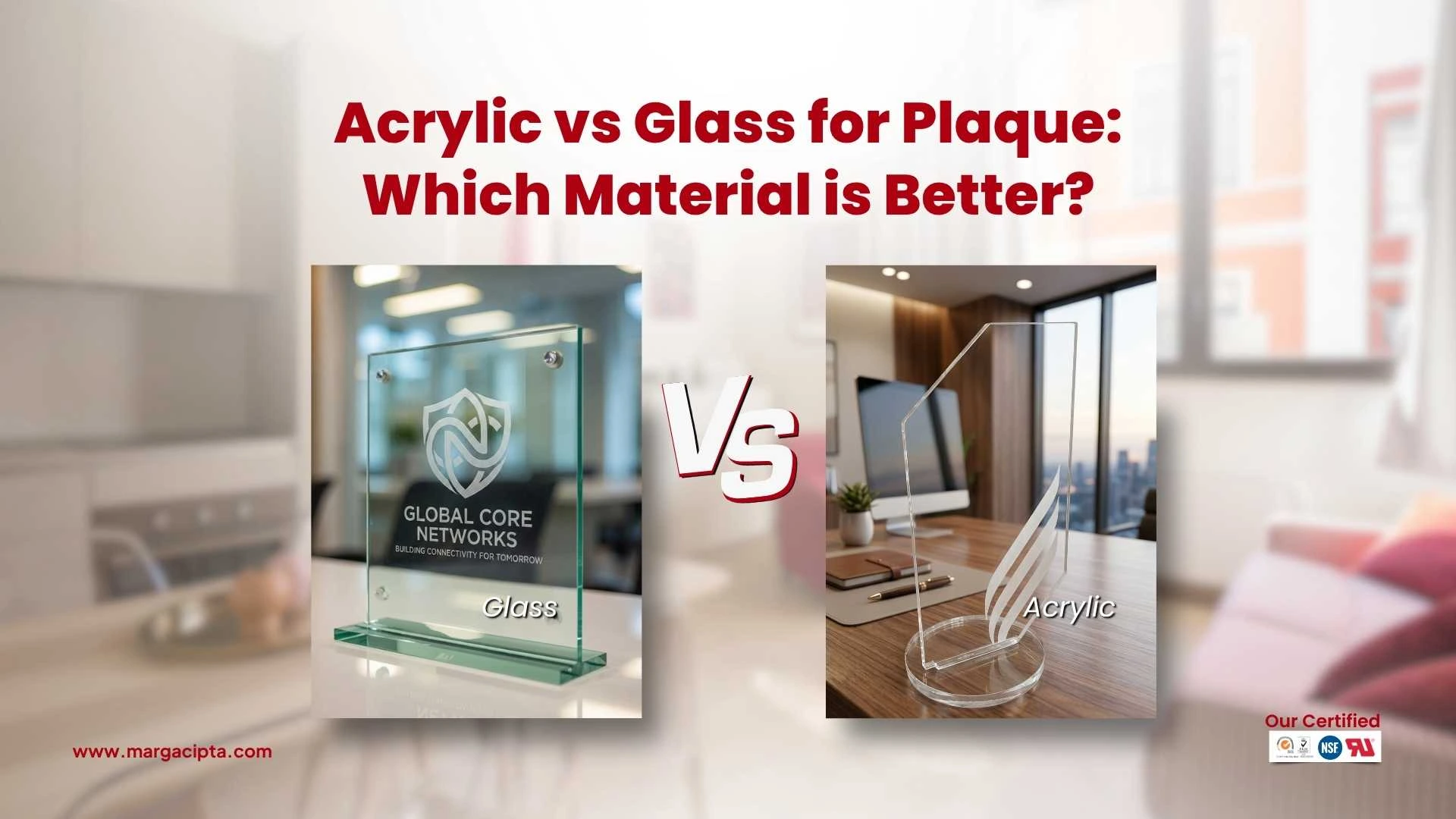
Acrylic vs Glass for Plaque: Which Material is Better?

Informational

Acrylic is generally better than glass for plaque applications.

It offers higher impact resistance, lighter weight, and easier fabrication while still maintaining a clear, premium appearance.

For most commercial and design purposes, acrylic provides a more practical and efficient solution.

Quick Comparison: Acrylic vs Glass

Feature

Acrylic

Glass

Impact Resistance

High (does not shatter easily)

Low (breakable)

Weight

Lightweight

Heavy

Clarity

Excellent

Excellent

Fabrication

Easy

Limited

Cost

More efficient

Higher overall cost

Durability and Safety

Acrylic is significantly more impact-resistant than glass. It does not shatter easily, making it safer for use in offices, public spaces, and high-traffic environments.

Glass, while visually appealing, is fragile and prone to breaking. This can lead to safety risks and higher replacement costs.

Read also: How to Choose UV Resistant Acrylic Sheets for Outdoor Applications

Visual Appearance

Both materials offer a clean and transparent look, but acrylic has a more consistent and modern finish.

Acrylic sheets also provide better results for:

  • UV printing
  • Laser engraving
  • Custom designs

Glass may have a slight tint depending on its composition, while acrylic maintains clearer visual consistency.

Weight and Installation

Acrylic is much lighter than glass, making it easier to handle, transport, and install.

This is especially important for:

  • Large plaques
  • Wall-mounted signage
  • Bulk production

Glass requires more careful handling and stronger support systems due to its weight.

Fabrication and Flexibility

Acrylic is highly versatile and compatible with modern production techniques.

It can be:

  • Cut precisely
  • Engraved easily
  • Printed directly

Glass, on the other hand, requires specialized tools and has limited flexibility for customization.

Cost Efficiency

Acrylic is generally more cost-effective than glass when considering:

  • Material cost
  • Fabrication process
  • Transportation and installation

Its durability also reduces the risk of damage, making it a more reliable long-term investment.

Read also: What Acrylic to Use for Cake Topper: A Complete Material Guide

Why Acrylic is the Preferred Material

For most plaque applications, acrylic offers the best balance between:

  • Durability
  • Aesthetics
  • Practicality

This is why many businesses and manufacturers choose acrylic sheets as their primary material.

Marga Cipta provides high-quality acrylic sheets that are suitable for various fabrication methods, helping ensure consistent and professional results.

Conclusion

In the comparison of acrylic vs glass for plaque, acrylic stands out as the better overall material.

It combines strength, clarity, and flexibility, making it ideal for modern plaque production. For businesses looking for efficiency and reliability, acrylic is the smarter choice.


News Release

How Long Does Acrylic Last Outdoors? Lifespan, UV Resistance, and Maintenance

High-quality acrylic can last 10 to 20 years or more outdoors, depending on environmental conditions, material quality, and maintenance practices. Its excellent UV resistance and weather durability make acrylic one of the most reliable materials for outdoor applications.

From signage and architectural features to display systems, acrylic is commonly chosen for projects that require long-term performance in outdoor environments.

Why Acrylic Is Suitable for Outdoor Use

Acrylic is specifically valued for its ability to withstand exposure to sunlight, rain, humidity, and temperature fluctuations.

Unlike many plastics that become yellow or brittle over time, quality acrylic sheets are designed to maintain their clarity and structural integrity for years.

Key outdoor advantages include:

  • UV resistance
  • Moisture resistance
  • Lightweight structure
  • Good weather durability
  • Excellent optical clarity

These properties make acrylic a practical choice for exterior applications.

Read also: Types of Acrylic: Complete Guide to Different Acrylic Sheets and Their Uses

How Long Can Acrylic Last Outdoors?

The outdoor lifespan of acrylic depends on several factors.

In general:

  • Standard outdoor applications: 10-15 years
  • Premium UV-resistant acrylic: 15-20+ years
  • Protected outdoor environments: potentially longer

Many commercial signs and display systems continue performing well long after installation when proper materials and maintenance practices are used.

Understanding UV Resistance

One of acrylic's most important outdoor characteristics is its natural resistance to ultraviolet (UV) radiation.

Continuous sun exposure can damage many plastics, causing:

  • Yellowing
  • Cracking
  • Brittleness
  • Reduced transparency

High-quality acrylic sheets are designed to resist these effects, helping maintain their appearance and performance over time.

This is why acrylic is frequently used for:

  • Outdoor signage
  • Light boxes
  • Storefront displays
  • Protective panels
  • Architectural glazing

Factors That Affect Acrylic Lifespan

Several conditions can influence how long acrylic lasts outdoors.

1. Material Quality

Premium acrylic sheets generally offer better UV stability and weather resistance than lower-quality alternatives.

2. Climate Conditions

Areas with intense sunlight, high humidity, or extreme weather may place greater stress on outdoor materials.

3. Installation Quality

Proper support and installation help prevent unnecessary stress that can reduce material lifespan.

4. Maintenance Practices

Regular cleaning and proper care can significantly improve long-term performance.

How to Maintain Outdoor Acrylic

To maximize outdoor durability:

1. Use Acrylic-Safe Cleaners

Avoid harsh chemicals that can damage the surface or weaken the material.

2. Clean Regularly

Removing dirt and debris helps preserve clarity and appearance.

3. Inspect Periodically

Routine inspections can identify minor issues before they become significant problems.

4. Avoid Excessive Mechanical Stress

Proper installation and support help prevent cracking or warping over time.

Why High-Quality Acrylic Matters

The quality of the acrylic sheet often determines how well it performs outdoors.

Premium acrylic typically offers:

  • Better UV resistance
  • Longer lifespan
  • Improved clarity retention
  • Enhanced weather performance

Marga Cipta supplies high-quality acrylic sheets designed for both indoor and outdoor applications, helping businesses achieve durable and professional results.

Read also: Acrylic Cleaner Guide: Safe Liquids to Clean Acrylic Without Damage

Conclusion

So, how long does acrylic last outdoors? In most cases, high-quality acrylic can last between 10 and 20 years or more when properly installed and maintained.

Its UV resistance, weather durability, and excellent clarity make it a trusted material for outdoor signage, displays, and architectural projects. By choosing premium acrylic sheets and following proper maintenance practices, users can maximize both performance and lifespan.

Ready to explore our cast acrylic options? At Margacipta Wirasentosa, we offer high-quality clear cast acrylic sheets from 100% virgin MMA in various thicknesses and custom sizes to fit your needs.

Reach out to our Instagram or download our Product Catalog for more information.

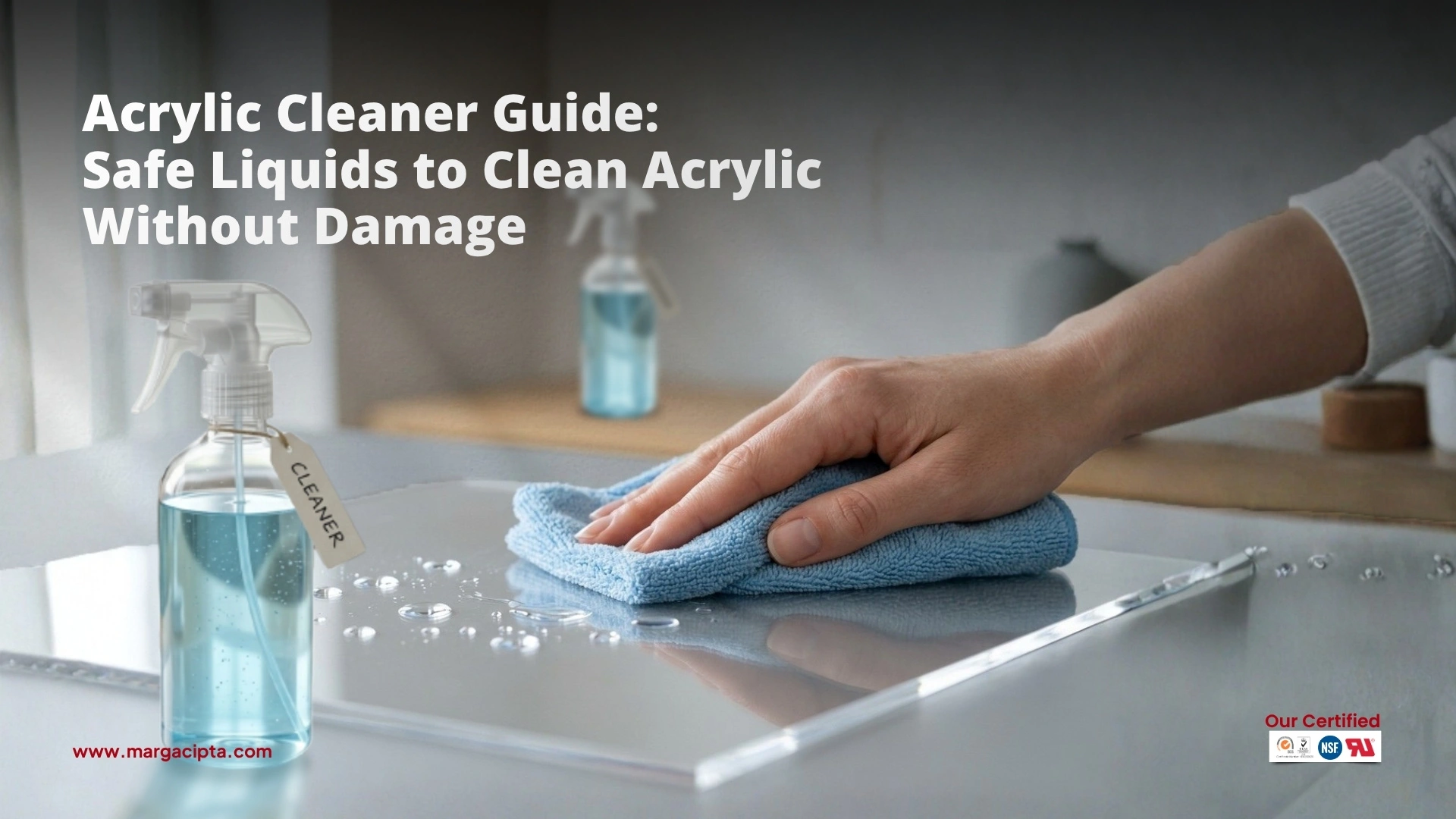
Acrylic Cleaner Guide: Safe Liquids to Clean Acrylic Without Damage

The best acrylic cleaner is a mild, non-abrasive liquid that cleans the surface without causing scratches, cloudiness, or chemical damage.

Using the wrong cleaner can permanently affect the appearance of acrylic sheets, especially clear acrylic surfaces.

To maintain clarity and durability, it is important to use safe cleaning solutions specifically suited for acrylic materials.

Why Acrylic Requires Special Cleaning

Acrylic sheets are durable and visually appealing, but their surface is more sensitive than glass. Using harsh chemicals or rough cleaning tools may cause:

  • Fine scratches
  • Cloudy appearance
  • Surface damage
  • Reduced clarity over time

Proper cleaning helps preserve the smooth finish and extends the lifespan of the material.

Read also: Why Cast Acrylic Is Better Than Glass: Benefits You Should Know

Best Liquids to Clean Acrylic

1. Mild Soap and Water

A mixture of mild liquid soap and clean water is one of the safest options for acrylic cleaning.

Benefits:

  • Gentle on the surface
  • Easy to use
  • Suitable for regular maintenance

Use a soft microfiber cloth to wipe the acrylic gently.

2. Specialized Acrylic Cleaner

Acrylic-specific cleaners are designed to remove dust, fingerprints, and dirt without damaging the material.

These cleaners help:

  • Reduce static buildup
  • Maintain clarity
  • Minimize streaks

They are recommended for displays, signage, and premium acrylic applications

3. Distilled Water

For light dust and minor cleaning, distilled water can be used safely. It helps prevent mineral spots and streaks that may occur with regular tap water.

Cleaning Tools to Use

When cleaning acrylic, always use:

  • Soft microfiber cloths
  • Non-abrasive wipes
  • Gentle wiping motions

Avoid:

  • Paper towels
  • Rough fabrics
  • Scrubbing pads

These materials can create fine scratches on the surface.

Liquids to Avoid

Certain chemicals should never be used on acrylic sheets.

Avoid:

  • Ammonia-based cleaners
  • Alcohol-based liquids
  • Glass cleaners
  • Strong solvents

These substances can cause acrylic to become cloudy, brittle, or cracked over time.

Proper Cleaning Technique

For best results:

  1. Remove loose dust first
  2. Apply cleaner gently
  3. Wipe in straight motions
  4. Dry using a clean microfiber cloth

Avoid circular scrubbing, as it may create visible swirl marks.

Read also: What Is Cast Acrylic Used For? A Closer Look

Why Acrylic Quality Also Matters

High-quality acrylic sheets generally offer:

  • Better surface consistency
  • Improved resistance to minor scratches
  • Longer-lasting clarity

Using premium acrylic materials helps maintain appearance even with frequent cleaning.

Marga Cipta supplies high-quality acrylic sheets suitable for displays, signage, fabrication, and decorative applications.

Conclusion

Choosing the right acrylic cleaner is essential to maintaining the clarity and durability of acrylic sheets.

Safe cleaning liquids such as mild soap solutions and specialized acrylic cleaners help prevent scratches and damage. Combined with proper cleaning techniques and high-quality materials, acrylic surfaces can remain clear and visually appealing for a long time.

Ready to explore our cast acrylic options? At Margacipta Wirasentosa, we offer high-quality clear cast acrylic sheets from 100% virgin MMA in various thicknesses and custom sizes to fit your needs.

Reach out to our Instagram or download our Product Catalog for more information.

A Step-by-Step Guide on How to Cut Acrylic Sheet Safely

Acrylic sheets are widely used in industries such as signage, display manufacturing, interior design, and fabrication. Because acrylic is lightweight and easy to shape, it can be cut into various sizes and forms for different applications.

However, cutting acrylic incorrectly may lead to cracking, chipping, or rough edges. To achieve clean and professional results, it is important to follow proper cutting techniques.

This step-by-step guide explains how to cut acrylic sheet properly and safely using commonly available tools.

Step 1: Choose the Right Cutting Tool

The cutting method depends on the thickness of the acrylic sheet.

Common tools used to cut acrylic include:

  • Acrylic scoring knife for thin sheets
  • Table saw or circular saw for thicker panels
  • Laser cutting machines for precise fabrication
  • Jigsaw for curved cuts

For thin sheets under 3 mm, a scoring knife is usually sufficient. For thicker acrylic, power tools are recommended.

Read also: Acrylic Sheet for Interior Design: Modern Applications for 2026

Step 2: Mark the Cutting Line

Before cutting, measure the acrylic sheet carefully and mark the cutting line using a ruler and marker.

To improve accuracy:

  • Use a metal ruler or straight edge
  • Double-check measurements
  • Keep the protective film on the acrylic surface to prevent scratches

Precise marking helps ensure a clean and straight cut.

Step 3: Secure the Acrylic Sheet

Place the acrylic sheet on a stable work surface and secure it using clamps if necessary.

This prevents the material from moving during the cutting process and reduces the risk of uneven cuts.

If using power tools, make sure the sheet is supported evenly on both sides.

Step 4: Cut the Acrylic Slowly

When cutting acrylic, slow and steady movement is important.

For scoring knives:

  1. Score the marked line multiple times using firm pressure.
  2. Move the sheet to the edge of a table.
  3. Snap the sheet carefully along the scored line.

For saw cutting:

  • Use fine-tooth blades designed for plastics.
  • Avoid cutting too fast to prevent melting or chipping.

Read also: How to Identify High-Quality Cast Acrylic Sheets | Buyer’s Guide

Step 5: Smooth the Edges

After cutting, the acrylic edge may feel rough or sharp. To achieve a smooth finish:

  • Use fine sandpaper to polish the edge
  • Apply gradual pressure while sanding
  • Clean the surface after finishing

For professional fabrication, polishing techniques such as flame polishing or buffing may also be used.

Safety Tips When Cutting Acrylic

Always prioritize safety when working with acrylic sheets. Important safety precautions include:

  • Wear safety glasses to protect your eyes
  • Use gloves to avoid cuts from sharp edges
  • Ensure proper ventilation when using power tools
  • Keep hands away from the blade during cutting

These steps help reduce the risk of injury and improve cutting accuracy.

Conclusion

Learning how to cut acrylic sheet properly can significantly improve the quality of fabrication projects.

By using the right tools, marking accurately, cutting slowly, and smoothing the edges, you can achieve clean, professional results without damaging the material.

Whether you are working on signage, display stands, or DIY projects, proper cutting techniques will help you maximize the versatility of acrylic sheets.

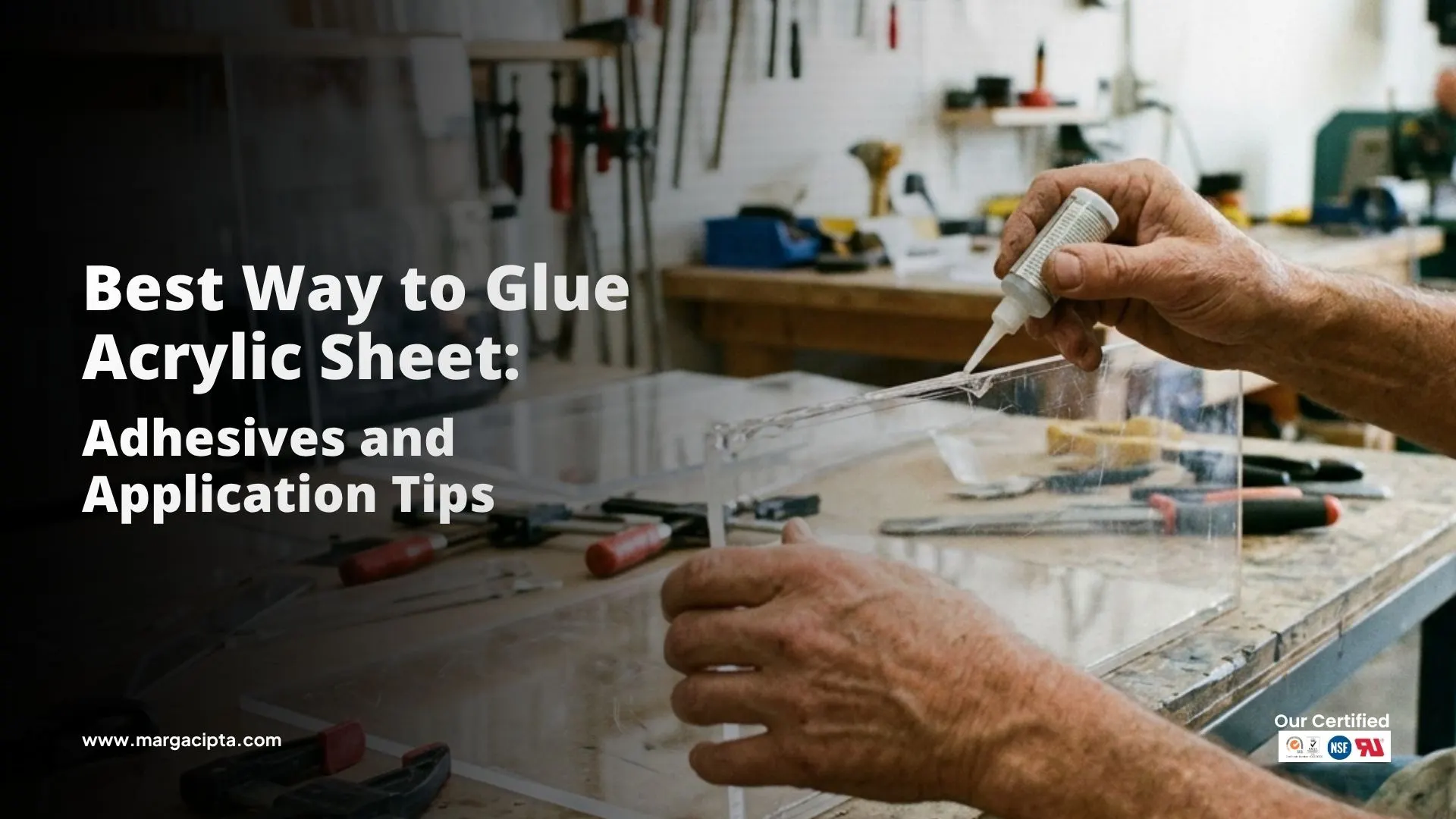
Best Way to Glue Acrylic Sheet: Adhesives and Application Tips

The best way to glue acrylic sheet is by using adhesives specifically formulated for acrylic, combined with proper surface preparation and careful application. 

Choosing the right adhesive and technique helps create strong, nearly invisible joints while minimizing bubbles, gaps, or surface damage.

Whether you're fabricating retail displays, signage, furniture, or custom acrylic products, understanding how to bond acrylic correctly is essential for achieving professional results.

Why Acrylic Requires Special Adhesives

Unlike wood or metal, acrylic cannot be effectively bonded using standard household glues.

Acrylic adhesives work by chemically bonding or welding the material, creating a much stronger connection than ordinary glue.

Using the correct adhesive offers several advantages:

  • Strong and durable joints
  • Clear, clean bonding lines
  • Better resistance to separation
  • Professional appearance

Selecting the wrong adhesive may lead to weak bonds, discoloration, or visible glue marks.

Read also: How to Bend Acrylic Sheet: Methods, Tools, and Best Practices

Common Adhesives for Acrylic Sheets

Several types of adhesives are commonly used depending on the project.

Solvent-Based Acrylic Cement

This is the preferred choice for many acrylic fabrication projects.

It softens the acrylic surfaces, allowing them to fuse together into a strong bond.

Ideal for:

  • Display cases
  • Retail fixtures
  • Signage
  • Clear acrylic assemblies

Two-Part Acrylic Adhesive

Two-part adhesives provide excellent strength and are suitable for larger or structural applications.

They are often used when maximum durability is required.

Specialty Acrylic Adhesives

Some manufacturers offer adhesives formulated specifically for decorative or high-performance acrylic applications.

These products are designed to maintain clarity while providing reliable bonding.

How to Prepare Acrylic Before Gluing

Proper preparation is essential for achieving a clean bond.

Before applying adhesive:

  • Clean the surfaces thoroughly
  • Remove dust and grease
  • Ensure edges fit together accurately
  • Leave protective film in place where possible to prevent scratches

Good preparation reduces the likelihood of visible imperfections after bonding.

Best Practices for Applying Adhesive

To achieve professional results:

Apply Adhesive Sparingly

Using excessive adhesive can create bubbles or overflow marks.

Align the Pieces Carefully

Position the acrylic accurately before the adhesive cures, as adjustments may become difficult afterward.

Use Clamps if Necessary

Gentle clamping helps maintain alignment while the adhesive sets.

Allow Adequate Curing Time

Follow the manufacturer's recommendations before moving or using the finished product.

Common Mistakes to Avoid

Avoid these common errors when gluing acrylic sheets:

  • Using general-purpose household glue
  • Applying too much adhesive
  • Bonding dirty surfaces
  • Forcing pieces together after curing begins
  • Handling the assembly before it has fully cured

Proper technique helps improve both strength and appearance.

Why High-Quality Acrylic Matters

Bonding performance also depends on the quality of the acrylic sheet itself.

Premium acrylic typically offers:

  • Consistent thickness
  • Smooth edges
  • Better machining quality
  • More reliable fabrication performance

Using high-quality acrylic helps achieve cleaner joints and more professional finished products.

Marga Cipta supplies premium acrylic sheets suitable for fabrication, laser cutting, engraving, and custom manufacturing applications.

Read also: Acrylic Cleaner Guide: Safe Liquids to Clean Acrylic Without Damage

Conclusion

Knowing how to glue acrylic sheet properly is essential for creating durable and visually appealing acrylic products.

By choosing the right adhesive, preparing the material correctly, and following proper application techniques, manufacturers and fabricators can achieve strong, long-lasting bonds.

Looking for High-Quality Acrylic Sheets?

Marga Cipta offers premium acrylic sheets in various thicknesses, colors, and finishes for signage, displays, furniture, and fabrication projects.

For inquiries or orders, email info@margacipta.com.

For product information, inspiration, and the latest updates, follow Instagram @margacipta.